
Rooted in Relief: Why Your Nervous System Needs Nature-Based Therapy

Step out of the office, leave the bumper-to-bumper traffic on Mopac behind, and take a moment to look up at the canopy of a live oak tree. If you pause long enough, you might notice a subtle shift: your shoulders drop slightly away from your ears, your breathing deepens, and the relentless mental chatter begins to quiet down.
This isn't just a pleasant coincidence; it is a measurable biological response. Your nervous system is recognizing that it has stepped out of a high-pressure environment and back into the natural world.
In a city like Austin that moves at a breakneck, "always-on" professional pace, we are constantly asking our brains to filter out massive amounts of artificial stimuli. We jump from bright laptop screens to buzzing smartphones, all while sitting inside fluorescent-lit, square rooms.
Over time, this concrete-and-screen lifestyle leaves our bodies trapped in a state of chronic, low-grade alertness. At Willow Tree Collective, we believe that true healing shouldn't always be confined to four walls. Through our nature-based therapy sessions, we invite you to take your healing outdoors, using the natural landscape as a co-therapist to help your nervous system find its way back to balance.
The Quick Unwind: Key Takeaways
The "Four Walls" Fatigue: Chronic indoor living keeps the nervous system locked in a high-alert, sympathetic state.
Nature as a Co-Therapist: Outdoor sessions leverage the concept of biophilia, our innate biological need to connect with nature, to accelerate emotional regulation.
Somatic Grounding: Movement, fresh air, and natural landscapes offer a gentle, non-threatening way to process stress and "thaw out" trauma.
Flexible Environments: Nature-based therapy isn't an intense hike; it’s a gentle, conversational pace customized entirely to your comfort level.
The Anatomy of a Fried Nervous System
To understand why nature-based therapy is so effective, it helps to look at what modern life does to our internal wiring. Your nervous system is built around a beautifully simple survival mechanism: the sympathetic state (fight or flight) gets you ready to face a threat, and the parasympathetic state (rest and digest) allows you to settle back down, repair, and rest.
In theory, these two states should balance each other out like the changing of the seasons. In reality, modern high-achieving environments keep the sympathetic switch jammed in the "on" position.
When you spend your day managing endless deadlines, filtering out traffic noise, and tracking notifications, your brain perceives that constant data stream as a series of micro-threats. You become "tired but wired," physically exhausted, yet mentally too agitated to drop into deep, restorative rest.
When you sit in a traditional therapy office, you are doing incredible mental work. But sometimes, when the body is highly dysregulated, staring at a blank wall or sitting across from someone in a closed room can feel subtly intense.
Stepping outside changes the entire neurological equation. Nature offers what psychologists call "soft fascination," visual inputs like moving leaves, shifting shadows, and flowing water that capture our attention gently without demanding heavy cognitive effort. This allows your analytical brain to finally step down from its guard tower and rest.
How the Movement of Walking Unlocks Emotional Processing
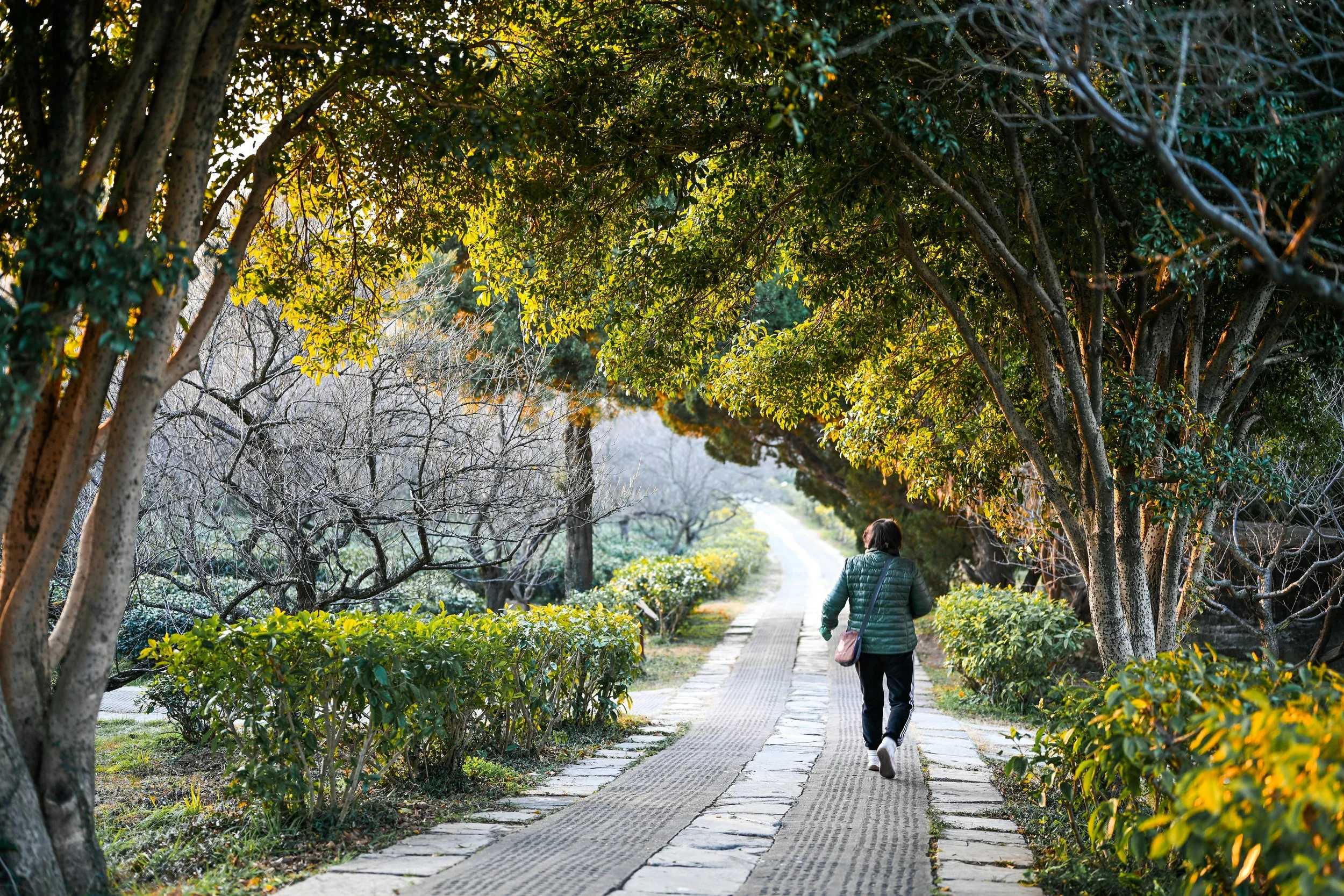
There is a unique magic that happens when therapy is paired with gentle, forward movement. In a traditional clinical setting, eye-to-eye contact is constant. For many individuals, especially those navigating intense life transitions, identity shifts, or deep-seated trauma, that direct gaze can feel vulnerable, sometimes making it harder for words to come out.
In a walk-and-talk session, you and your therapist are moving side-by-side, looking forward at the same path. This subtle shift completely changes the dynamic. It removes the pressure of performance.
Furthermore, the physical act of walking creates a biological phenomenon known as bilateral stimulation. As you step alternatingly with your left and right foot, both hemispheres of your brain are gently activated in a rhythmic pattern.
This side-by-side rhythm naturally mimics the way our brains process information during sleep. It helps unstick heavy emotions, making it easier to talk through things that might feel too overwhelming or tightly locked away when sitting completely still. The path ahead becomes a literal and metaphorical container for the story you are unfolding.
The Blueprint of the Central Texas Landscape
At Willow Tree Collective, our outdoor sessions aren't about conquering a rugged trail or hitting a fitness goal. They are about presence and integration. We utilize beautiful, accessible outdoor pockets around Austin, spaces where the natural world offers a quiet sanctuary from the urban rush.
Just as trees grow deep root systems to withstand a drought, we use the natural environment to teach you how to build your own internal stability. In our sessions, we might use the concept of a shifting creek to explore how to sit with uncertainty, or look at the lifecycle of a winter forest to validate your need for a slower, lower-capacity season of life.
By stepping onto the earth, we break the illusion that we are separate from the natural world. We remind your body that like the trees, the rivers, and the changing weather, humans are not built to be perfectly productive, blooming machines 365 days a year. We are built to have seasons of high growth, and seasons that require quiet, deep conservation of energy.
Who Can Benefit from Nature-Based Therapy?
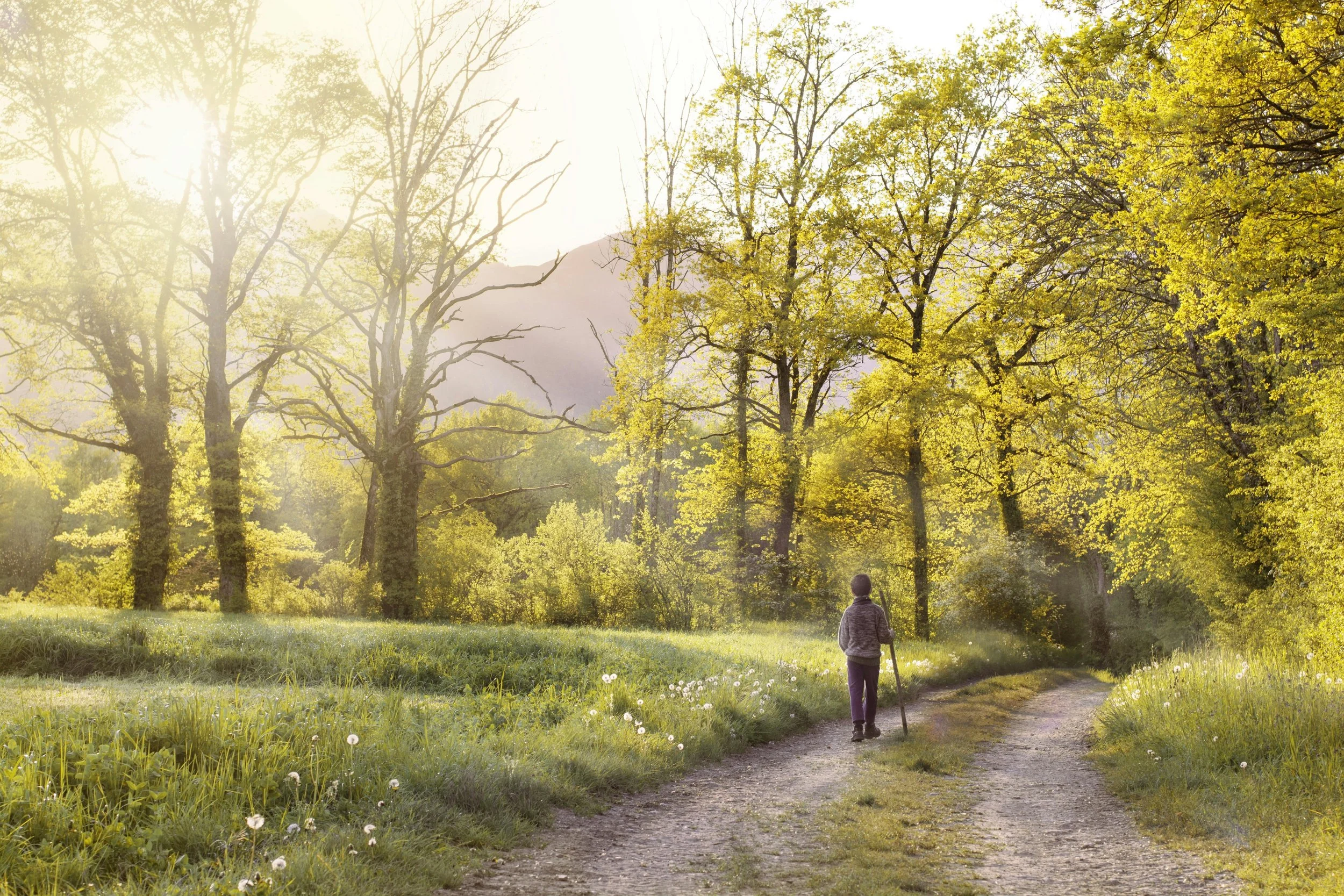
Because our approach is soft and conversational, nature-based therapy can be tailored to almost any story. We find it particularly transformative for:
High-Achieving Professionals: If your entire day is optimized for productivity, an outdoor session breaks the cycle of hyper-efficiency, forcing you to slow down to a human pace.
Those Experiencing Burnout: When your energy is completely depleted, the sensory environment of the outdoors acts as an immediate, gentle balm, lowering cortisol levels without requiring you to "work" for it.
Individuals in Major Transitions: When your external foundation feels shaky, the literal ground beneath your feet provides a concrete, immovable anchor while you figure out your next steps.
Take a Breath and Step Outside
You were never meant to carry the weight of a fast-paced life inside a closed box. If you are feeling unmoored, exhausted, or disconnected from your own voice, the simplest remedy is often to change your environment.
Our team at Willow Tree Collective is ready to meet you exactly where you are, whether that is online, in the office, or out on the trail under the shade of the live oaks. Let’s take a step forward together, leave the noise behind, and help you find your way back to a grounded, sustainable pace.
Common Questions About Outdoor Sessions
Do I need to be athletic or fit for nature-based therapy?
Not at all. This is therapy, not exercise. The pace is entirely dictated by you. We can stroll slowly, find a quiet bench under a tree to sit and talk, or adjust the movement based on how your body feels that day.
What happens if the weather doesn't cooperate?
Austin weather can be unpredictable. If it rains, is excessively hot, or if you simply wake up feeling like you’d prefer an indoor space, we can easily pivot. We always have the option to meet in our comfortable office space or connect via a secure virtual telehealth session. Your comfort and safety are always the priority.
Is an outdoor session private?
We choose our outdoor paths and meeting locations very deliberately, selecting quieter, less congested times and spaces to protect your confidentiality. Before we ever head outside, you and your therapist will establish a clear plan for how you’d like to handle it if you happen to pass someone else on the trail.