
6 Religious Trauma Examples [According to a Therapist]
As mental health professionals, we have a passion for helping individuals navigate the complexities of life transitions, gender identity and exploration, and the impacts of religious trauma. With lived experience in this space and years of work in mental health, particularly in supporting LGBTQ+ communities and those grappling with religious trauma, we’ve seen firsthand the profound effects that a toxic religious environment can have on someone’s mental and emotional well-being.
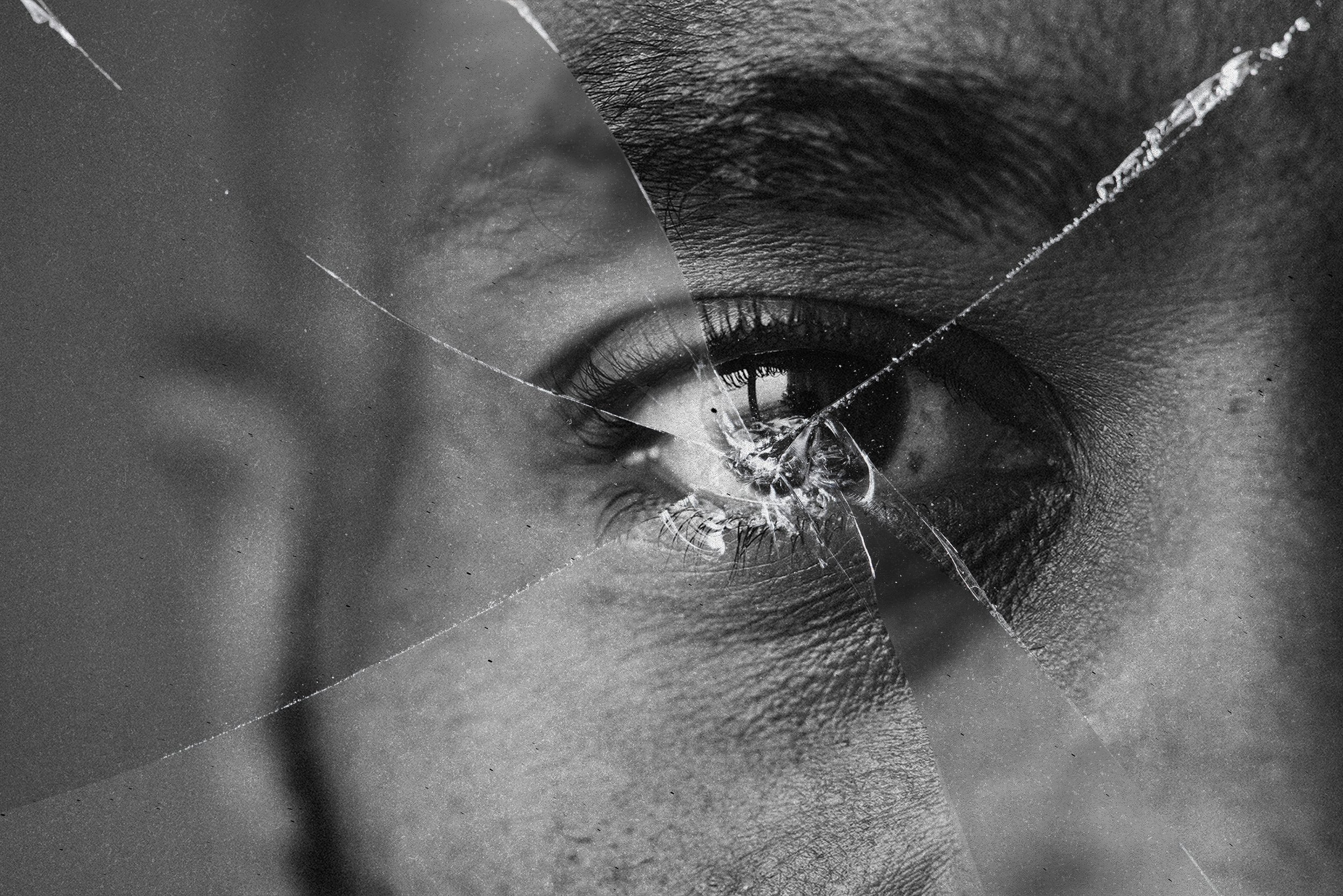
Religious trauma and spiritual abuse often arise when harmful religious beliefs or practices inflict deep emotional wounds. It can manifest through feelings of guilt, shame, fear, or confusion, often leaving people struggling with their sense of self and purpose.
Mental health challenges such as anxiety, depression, PTSD, substance use, eating disorders, OCD, or suicidal thoughts can be present for those who have experienced religious trauma.
In this space, we aim to explore what religious trauma is and how healing can be possible. Whether you’ve experienced religious abuse or are simply questioning your past, seeking peace, or wanting to unpack your experiences, you’re in the right place.
Find a Therapist
〰️
Find a Therapist 〰️
What religious trauma can feel like

For a lot of people, it shows up in ways that feel familiar but hard to name.
It can look like a constant sense of guilt, even when someone hasn’t done anything wrong. Or a deep fear that gets activated the moment they question something they were taught to believe. There can be a lingering feeling of being “bad” or unworthy, even when that belief doesn’t fully make sense anymore.
For others, it’s more about disconnection. Not knowing what you believe, who you are outside of that environment, or where you fit once that sense of structure or community is gone. That loss can feel confusing and isolating at the same time.
It can also show up in everyday decisions, for example, second-guessing yourself, feeling responsible for things that aren’t yours to carry, or struggling to feel safe being fully seen.
For some, having a space to talk through these experiences can be an important first step.
What is religious trauma?
Religious trauma and spiritual abuse refer to the psychological, emotional, and sometimes physical harm that can result from negative religious or spiritual experiences. These terms encompass a range of experiences, from subtle manipulation to overt abuse, often within a religious or spiritual context.
Religious Trauma
Religious trauma occurs when an individual's religious upbringing or teachings cause deep emotional and psychological harm. This can happen when a person is exposed to rigid, fear-based doctrines, exclusionary practices, or controlling environments that create feelings of shame, guilt, or unworthiness. The trauma may be exacerbated if the individual attempts to leave the faith or community, leading to feelings of isolation, rejection, and loss of identity.
Spiritual Abuse
Spiritual abuse is a specific form of religious trauma where an authority figure (such as a religious leader, parent, or mentor) uses their power to control, manipulate, or harm others under the guise of spiritual guidance. This can include using scripture or religious teachings to justify abusive behavior, demanding absolute obedience, public shaming, or punishing those who question or challenge authority. When spiritual abuse occurs, it often results in deep emotional scars and can undermine a person's trust in themselves, others, and their spirituality.
Both religious trauma and spiritual abuse can have lasting effects on a person's mental health, self-esteem, and overall well-being. Healing from these experiences involves recognizing the harm, understanding its impact, and working through the emotional and psychological wounds in a supportive, compassionate environment.
6 religious trauma examples

Religious trauma can manifest in various ways, depending on the individual's experiences and the religious environment they were part of. Here are a few examples to illustrate the diverse ways that religious trauma shows up and impacts individuals.
1. Fear of Hell and Eternal Damnation
Carol was raised in a fundamentalist Christian household and taught from a young age that any deviation from religious teachings would result in eternal damnation. As an adult, she experiences severe anxiety and panic attacks whenever she questions her faith or makes decisions that conflict with her upbringing. Despite no longer identifying with the religion, she struggles with a persistent fear of going to hell, which interferes with her ability to live a fulfilling life.
2. LGBTQ+ Identity and Religious Rejection
River grew up in a conservative religious community that preached against homosexuality. When he realized he was gay, he internalized the harmful messages of sin and shame from his church. He experienced deep depression, self-loathing, and suicidal thoughts because he believed his sexual orientation made him inherently sinful. Even after leaving the church, he struggled with internalized homophobia and forming healthy relationships due to his religious trauma.
3. Spiritual Abuse by a Religious Leader
Nancy was part of a charismatic religious group where the leader exerted significant control over the members' lives. The leader used fear, guilt, and manipulation to maintain authority, often claiming divine insight into the members' personal lives. After leaving this religiously abusive community, she experienced flashbacks, nightmares, and a deep distrust of authority figures. She found it difficult to make decisions independently, fearing divine retribution or the leader's disapproval, even though she was no longer under his influence.
4. Loss of Identity After Leaving a Religious Cult
Steve was raised in a religious cult that isolated its members from the outside world. The cult dictated every aspect of life, including what to believe, how to behave, and who to associate with. Upon leaving the cult, he experienced a profound loss of identity and social support, as his entire sense of self was tied to the cult's teachings different rules. He struggled with feelings of emptiness, confusion, and a lack of direction, unsure of who he was outside of the cult's influence. This led to severe depression and difficulty integrating into mainstream society.
5. Religious Shaming Around Sexuality
Petra was raised in a religious environment that promoted strict standards of sexual purity and shamed any sexual thoughts or behaviors outside of marriage. She was taught that her worth was tied to her sexual purity. As an adult, she experienced intense shame and guilt around her sexuality, even in the context of a healthy, consensual relationship. She struggled with intimacy and experienced panic attacks and dissociation during sexual activity, which she traced back to the religious teachings she internalized during her formative years.
6. Child Indoctrination and Fear-Based Control
Em grew up in a religious household where the parents used fear-based tactics, such as telling them that disobedience would result in demonic possession or divine punishment. As an adult, they experienced anxiety, obsessive-compulsive behaviors, and a fear of making mistakes, believing that any misstep could result in catastrophic spiritual consequences. These fears persisted even after the individual no longer believed in the religious teachings.
Recognizing the signs of religious trauma

Religious trauma or many forms of spiritual abuse can have a significant impact on mental health and leave individuals ill-equipped to cope. Here are some signs that you might be experiencing the effects of religious trauma or spiritual abuse:
Fear and Anxiety
Feeling intense fear or anxiety related to religious practices, beliefs, or institutions.
Experiencing panic attacks or overwhelming dread when thinking about religion.
This can linger even after stepping away, especially when certain beliefs were rooted in fear.
Guilt and Shame
Feeling unworthy, sinful, or inherently bad because of religious teachings.
Being overly critical of yourself, constantly fearing that you’re not meeting spiritual standards.
For many, this becomes an internal voice that’s hard to separate from their own thoughts.
Depression and Hopelessness
Feeling a deep sense of hopelessness, especially related to your spiritual life or existence.
Experiencing a loss of interest in activities you once enjoyed, particularly those associated with your faith.
This can be tied to a loss of meaning, identity, or direction after leaving that environment.
Isolation
Feeling alienated from family, friends, or communities that share your religious background.
Struggling with loneliness due to a lack of connection with others who understand your experience.
This can feel especially heavy when your sense of belonging was closely tied to that community.
Intrusive Thoughts
Being haunted by religious images, teachings, or doctrines, especially those that are fear-inducing.
Having obsessive thoughts about hell, damnation, or other religious concepts.
Even when those beliefs no longer align, the thoughts can still feel very real.
Avoidance
Avoiding religious gatherings, discussions, or anything associated with your past faith because it triggers distress.
Feeling an aversion to religious symbols or rituals.
This can feel confusing, especially when something that once felt meaningful now brings discomfort or distress.
Anger or Resentment
Feeling intense anger or resentment towards religious leaders, institutions, or teachings.
Struggling with bitterness towards people who are still part of the faith community.
These feelings often come from not having had space to question, process, or be heard.
Shunning or Excommunication
Being ostracized, shunned, or cut off from your community for questioning beliefs or for perceived sins.
Experiencing social, emotional, or spiritual punishment for not conforming to group norms.
This can leave a lasting sense of loss, especially when those relationships once felt like home.
Suppression of Individuality
Being discouraged or forbidden from expressing your true self, especially if it doesn’t align with the group's beliefs.
Feeling pressured to conform to specific gender roles, behaviors, or lifestyles dictated by religious teachings.
Over time, this can make it difficult to know what feels true or authentic to you.
Unhealthy Dependency
Being made to feel that your worth or salvation depends on your obedience to a specific leader or group.
Leaders encouraging an unhealthy level of dependency on them or the community for your spiritual and personal decisions.
This can make it feel unsafe to trust your own judgment or make decisions independently.
Find a Therapist
〰️
Find a Therapist 〰️
Get the support you need to heal from religious trauma.
Whether you are just starting out in your therapy journey, or coming back to dig deeper, we are here for you! At Willow Tree Collective, we offer trauma-informed care and a collaborative space to work together. In our professional experience, we have seen that for some, healing from religious trauma requires a complete deconversion and disconnection from ones previous held beliefs. While others choose to stay with their faith, build a new support system, but leave harmful institutions and people behind. There is no "right way" to go about creating a new future for yourself.
If you feel lost in your recovery journey, therapy can be a helpful place to learn how to build healthy boundaries, develop coping skills, grow in self-compassion, and promote positive changes. We offer in-person, virtual, or nature-based sessions to meet your specific needs. We would love to support you in your healing journey. Reach out today to schedule a free consultation!
Find a Therapist
〰️
Find a Therapist 〰️
-
Usually, when we start to Google things like "what is religious trauma?" Or "Do I have religious trauma?", we are already in a place of curiosity and openness to explore our history. We have a feeling that if you read through this post, there was something here that felt familiar or made you reflect on your own lived experiences. If you have experienced religious trauma or see yourself in these stories, you are not broken or alone in this. There is hope! Seeking help through individual therapy or support groups is a great next step to take for yourself.
-
Religious trauma therapy isn’t about telling you what to believe or helping you “fix” your faith. It’s a space to begin understanding what you’ve been through and how it’s still affecting you.
In my experience, this often starts with slowing things down and creating a sense of safety. From there, we might explore the beliefs you’ve carried, the ways they’ve shaped your identity, and how they continue to show up in your thoughts, relationships, and daily life.
For some people, therapy becomes a place to process fear, shame, or grief. For others, it’s about rebuilding trust in themselves, learning to set boundaries, or reconnecting with parts of themselves that were pushed aside.
-
Religious trauma doesn’t always show up in obvious ways. It can feel like something is “off” long before you have the words for it.
You might notice guilt or shame around things that feel normal, anxiety when you question beliefs, or a sense that you can’t fully trust yourself. Some people feel disconnected from who they are, while others struggle with boundaries, people-pleasing, or feeling safe being seen.
For many, it’s not just one clear sign, but a deeper feeling of not being fully safe, accepted, or at ease within themselves.
-
It can. When someone has been exposed to fear-based teachings, shame, or control, it can leave a lasting impact on how safe they feel within themselves.
For some, this feels like anxiety (a constant sense of worry, fear, or being on edge). For others, it can feel more like depression, with heaviness, disconnection, or a loss of meaning and identity, especially after leaving a religious community.
These feelings aren’t random. They’re often connected to experiences that felt overwhelming or unsafe, even if it’s hard to fully make sense of them at first.
-
In some cases, it can. When religious experiences involve ongoing fear, control, or emotional harm, they can have a lasting impact that feels similar to other forms of trauma.
This might look like intrusive thoughts, intense fear, or feelings triggered by certain religious memories, environments, or conversations. Even if you’ve left that space, your body and mind can still hold onto those experiences.
Not everyone will experience PTSD, but for some, the impact of religious trauma can feel just as deep and overwhelming.
-
Spiritual abuse is something that happens to you, usually within a relationship or community where beliefs or authority are used to control, shame, or manipulate.
Religious trauma is what can stay with you after. It’s the emotional and psychological impact that can linger, sometimes long after you’ve left that environment.
-
For many people, triggers are tied to moments that echo past experiences of fear, shame, or control.
This can be things like hearing certain teachings, being in a religious setting, or even conversations about faith that bring up a strong emotional response. I’ve also seen it come up in more subtle ways, like feeling judged, struggling to set boundaries, or noticing a deep sense of fear when questioning beliefs.
It’s not always one clear moment. Often, it’s a pattern of experiences that connect back to what once felt overwhelming or unsafe.
-
Yes, healing is possible. It doesn’t mean forgetting what happened or having all the answers, but it can mean feeling more at ease within yourself again. For many people, that looks like slowly letting go of fear and shame, rebuilding trust in their own thoughts and choices, and finding a sense of safety that wasn’t there before.